




Natural Loofah vs Synthetic Sponge: Which Is Better for Your Skin
Bath time is one of the most relaxing and rejuvenating moments of the day. Nothing quite compares to a warm shower for easing tired muscles, refreshing the body, and washing away the stresses of the day. While an occasional massage or body spa can be a wonderful indulgence, your everyday routine doesn’t need to be complicated. A warm shower followed by gentle exfoliation can leave your skin feeling fresh, soft, and silky smooth, helping you feel good in your own skin.
However, when it comes to exfoliation, a good bathing sponge can alter the entire game. With so many choices to opt from, deciding on whether to go for a natural loofah or a synthetic loofah is not easy. The best option is not always the one that's trending or promoted as the most sustainable; it is the one that addresses your needs, taking in consideration skin type, bathing routine, and personal needs.
So, before you pick your next loofah or exfoliating sponge, let's understand the differences between natural and synthetic loofahs, their benefits and limitations, and which option may work best for your skin.
Understanding the word Loofah
The term “loofah” is derived from the luffa plant, botanically known as Luffa cylindrica. Traditionally, the dried fibrous interior of the luffa fruit was used as a natural scrubbing tool, not only for exfoliating the body but also for washing utensils and general household cleaning. Its naturally coarse yet flexible fibers help lift away surface impurities and dead skin cells, leaving the skin feeling refreshed, smooth, and revitalized.
With changes in bathing and personal hygiene practices, the creation of synthetic loofahs became necessary to provide the same benefits of a natural loofah in an easy-to-find, versatile format. The synthetic loofah is made of plastic fibers, such as nylon, and is designed to provide good lathering and moderate exfoliation.
Natural and synthetic loofahs serve the motive of cleansing and exfoliation equally well; however, they differ in terms of features, including texture, durability, ease of use, and effect on the environment. While some people may prefer natural loofahs, being plant-made and biodegradable, others may opt for synthetic loofahs for various reasons.
What Is a Bath Brush? Understanding Its Benefits and Functionality:
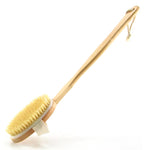
A Bath Brush is a personal care tool that helps cleanse, exfoliate, and refresh your skin better than your hands can do alone. According to the design, a bath brush may have soft or firm bristles, silicone tips, or natural fibres to help remove dirt, excess oil, and dead skin cells, while stimulating the skin through gentle massage.
Long-handle body brushes, small exfoliating brushes, exfoliating sponges, and soft-bristle brushes for everyday use are among the many shapes and sizes of bath brushes available. A long handle can also help you reach places such as the back and shoulders without having to stretch or bend over.
Use of a bath brush, when done gently and consistently, will enable you to improve the texture and appearance of your skin through the removal of dead cells and promotion of smoother skin. However, you should ensure that you choose the right brush based on your skin type. For example, if you have sensitive skin, soft brushes are better than harder ones.
Loofah or Bath Brush: Understanding the Key Differences
A. Exfoliation
While both loofahs and bath brushes will help you get rid of dead skin cells and other buildups on your skin, the effectiveness of their exfoliating properties may vary depending on what exactly they are made of. Loofahs are a moderate exfoliant, which makes them quite a good choice for daily use and maintaining healthy, smooth skin. On the other hand, bath brushes are more powerful, particularly those with tough bristles. However, there are also softer types of scrub brushes, like silicone bath brushes, that will give you a gentler exfoliation experience.
B. Environmental Choice
For those who have the environmental factor in mind, natural loofahs make for the better choice by far. Being completely made from plants, such biodegradable exfoliators will decay naturally after reaching the end of their lifespan, unlike their plastic equivalents. Although synthetic loofahs and plastic brushes will serve you for longer periods of time, they often make for bigger ecological footprints. For those who want to do away with plastic altogether, natural fiber bath brushes work perfectly well.
C. Skin Type
Your level of skin sensitivity plays an important role in choosing between a loofah and a bath brush. A soft loofah or gentle silicone brush may work well for normal to sensitive skin. In contrast, firmer loofahs or bristle brushes can provide more noticeable exfoliation for normal or rough skin. For dry or sensitive skin, aggressive scrubbing may irritate, so a softer tool and gentle pressure are preferable. Regardless of the tool, exfoliation should be comfortable rather than abrasive. All things need to be considered while deciding, as a bath brush with synthetic bristles can be soft and suitable for sensitive skin, but a natural bristle bath brush may not suit well.
D. Durability
Their composition and upkeep significantly influence the longevity of your bathing accessories. Synthetic loofahs and plastic-based brushes are often more resilient, maintaining their structural integrity over extended periods of frequent use. While natural loofahs offer eco-friendly benefits, their plant-derived fibers naturally soften and eventually degrade with routine exposure to water. A high-quality bath brush with sturdy bristles can also serve as a long-lasting investment for your skincare routine, provided it is thoroughly rinsed and aired out. To preserve both hygiene and the life of your tool, ensure it reaches a completely dry state between each shower session.
Clean Your Loofah and Bath Brush for Better Hygiene
Every time you take a bath, loofahs and bath brushes come into direct contact with your skin, along with soap, water, and dead skin cells. If they are left damp for extended periods or not cleaned regularly, they can become a perfect breeding ground for unwanted microbes.
The rule is simple: clean, rinse, dry, and replace when necessary. A well-maintained loofah or bath brush feels better on the skin and also makes your everyday bathing routine more hygienic.
A. Care Instructions for your Loofahs and bath brush
-
After each bath, rinse well to remove soap, oils, and skin residue.
-
Let it dry thoroughly before using or storing it again.
-
Do not place it in a wet place.
-
Do not share bathing accessories with others for personal hygiene.
-
Don’t rub harshly, as you could damage the tool and your skin.
-
Check regularly for odour, discolouration, mould-like growth, or deterioration.
-
If your bathing tools aren’t effective anymore and you can’t clean them, it’s time to replace them with those from Allure Cosmetics.
There is no right or wrong answer regarding a natural loofah v/s a synthetic sponge. At the end of the day, if it comes to picking a bathing tool, it’s less about hopping on a trend and more about deciding what works best for your skin and lifestyle. Whatever you choose, use it gently, clean and dry it thoroughly after each use, and change it when it begins to deteriorate. The thing to remember regarding a good body exfoliation; it’s about caring for your skin, not scrubbing it off.